When designing a custom home, the first instinct for many people is to engage a designer or architect and begin drawing plans straight away.
It feels exciting. The ideas start flowing, the layouts look beautiful, and the vision of your future home begins to take shape.
But there’s one major problem with this approach.
Without input from a builder early on, those plans are often designed without a clear understanding of what the home will actually cost to build.
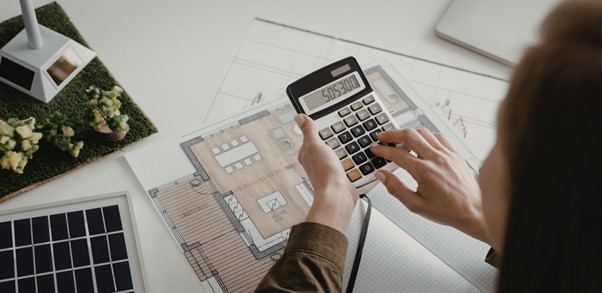
We often meet clients who come to us with completed house plans and a budget already in mind. Once we begin reviewing the design and preparing an estimate, the cost can increase quite quickly due to things that weren’t fully considered during the design stage. Things like the complexity of the layout, site conditions such as slope, engineering requirements, or certain material selections. It can be incredibly disappointing to realise the home you’ve been dreaming about may need significant changes to bring it back within budget.
At that point, they face a difficult choice:
- Redesign the home and start again
- Compromise on the design
- Or abandon the project altogether
This is why the concept stage is so important when designing a custom home, as it ensures decisions are guided by realistic construction costs from the beginning.
What Is the Concept Stage?
The concept stage is where your ideas, lifestyle needs, and budget come together before detailed drawings begin.
Instead of designing a home first and worrying about cost later, the concept stage focuses on creating a design that is both inspiring and financially achievable.
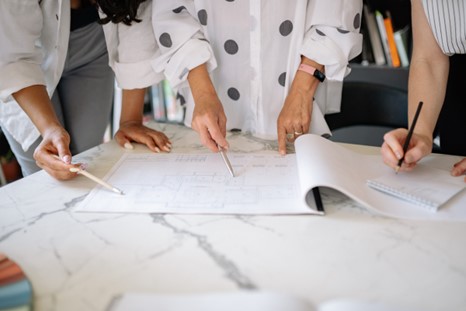
It’s a collaborative process where your builder and designer work together to shape a home that reflects how you want to live, works with your land, and aligns with your budget from the beginning.
Why Engaging a Builder Early Matters
A builder brings practical knowledge that influences how a home should be designed. Things like:
- Structural requirements
- Site conditions
- Build methods
- Material choices
These factors all affect cost, but they’re rarely considered properly if a builder isn’t involved early.
By engaging with a builder during the concept stage, you can make informed design decisions while the home is still flexible enough to adjust easily.
This prevents the situation where a design looks perfect on paper but becomes unrealistic once pricing begins.
The Biggest Advantage of Starting With a Concept
When the concept stage is done properly, you gain something incredibly valuable: confidence.
Confidence that the home you’re designing is achievable.
Confidence that your budget is realistic.
And confidence that the building process can move forward without unexpected surprises or major redesigns.
This stage is what transforms the idea of building a home into a clear and achievable plan.
Taking the time to approach these early stages carefully can make the entire building journey far smoother and more enjoyable.
At Manning Homes, we help clients across Forster and the Mid North Coast navigate the concept stage with clarity and confidence. We place a strong focus on the concept stage because it sets the foundation for everything that follows. By bringing together design ideas, site considerations and realistic costing early in the journey, we help our clients move forward knowing their dream home has been thoughtfully designed to work within their budget from the beginning.
If you’re in the early stages of planning your custom home, taking the time to approach the concept stage carefully can save months of frustration and help ensure the home you design is one that can be confidently brought to life.
Planning a custom home in Forster-Tuncurry or the surrounding area? If you have a block of land or an idea you’d like to explore, get in touch with our team to talk through your project and the next steps.