

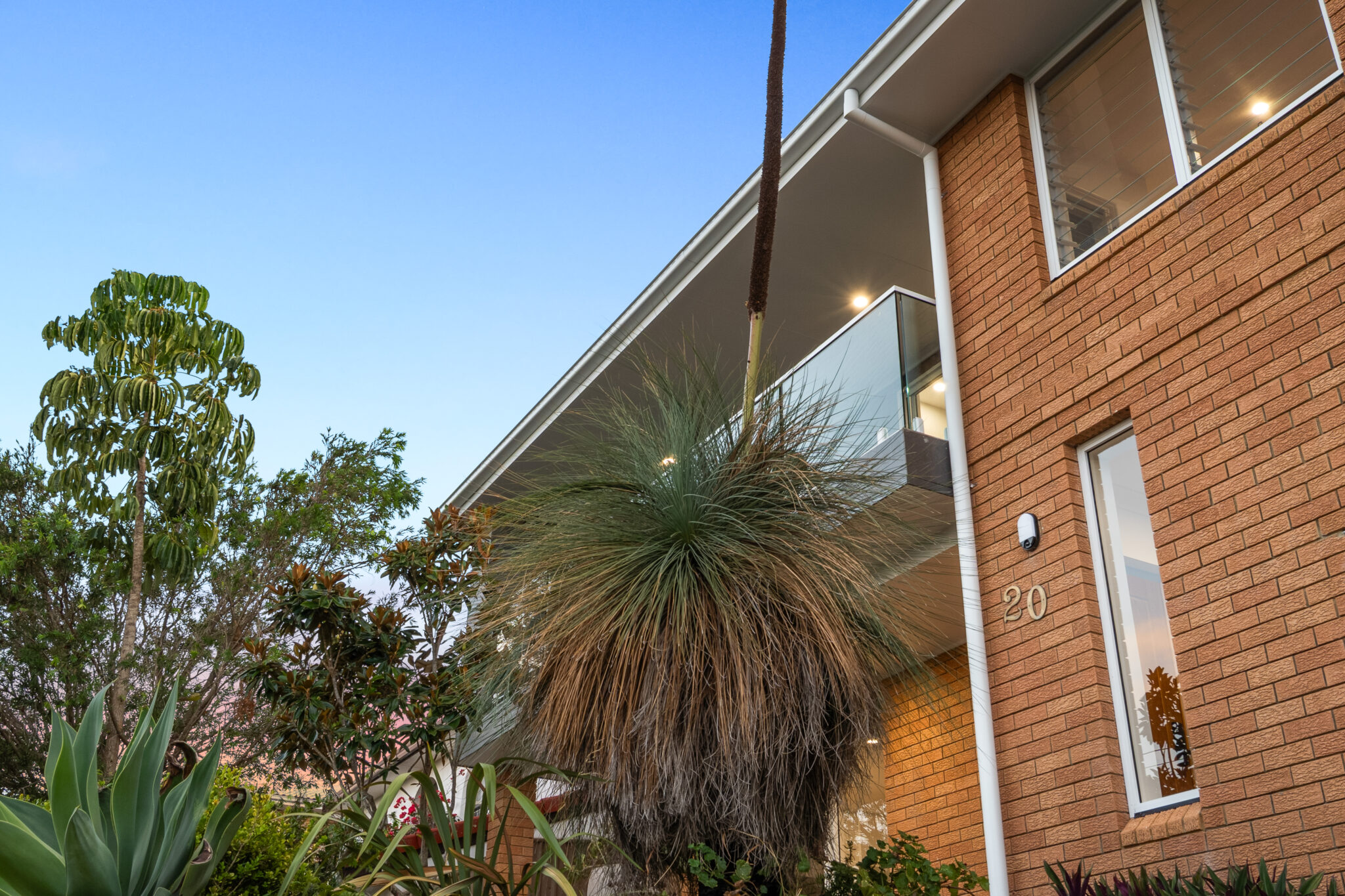
The new year has a way of highlighting the small frustrations within your home that have been easy to push aside.
Once the holidays are over and everyday routines resume, mornings get busy again. Bags are dropped at the door, everyone needs the bathroom at once, storage suddenly feels inadequate and the parts of the layout that don’t quite work become much more obvious.
It’s often around this time that families start wondering whether their home still suits the way they live.
For some, that eventually leads to conversations about a major renovation or extension. For others, it might be the first time they consider a knockdown rebuild or building somewhere new.
Most don’t know the answer yet. They’ve simply started noticing what isn’t working.
It Usually Isn’t One Big Problem
A home doesn’t suddenly stop working overnight.
More often, family life changes around it.
A layout that worked with young children might feel very different as they get older. Working from home can create the need for a dedicated office. Storage that was once adequate starts overflowing. One living area might no longer give everyone enough space.
None of these things necessarily means you need to renovate or build.
But they’re useful clues.
Paying attention to the parts of your home that regularly create frustration can help you understand what you’d actually want to change if you did decide to do something.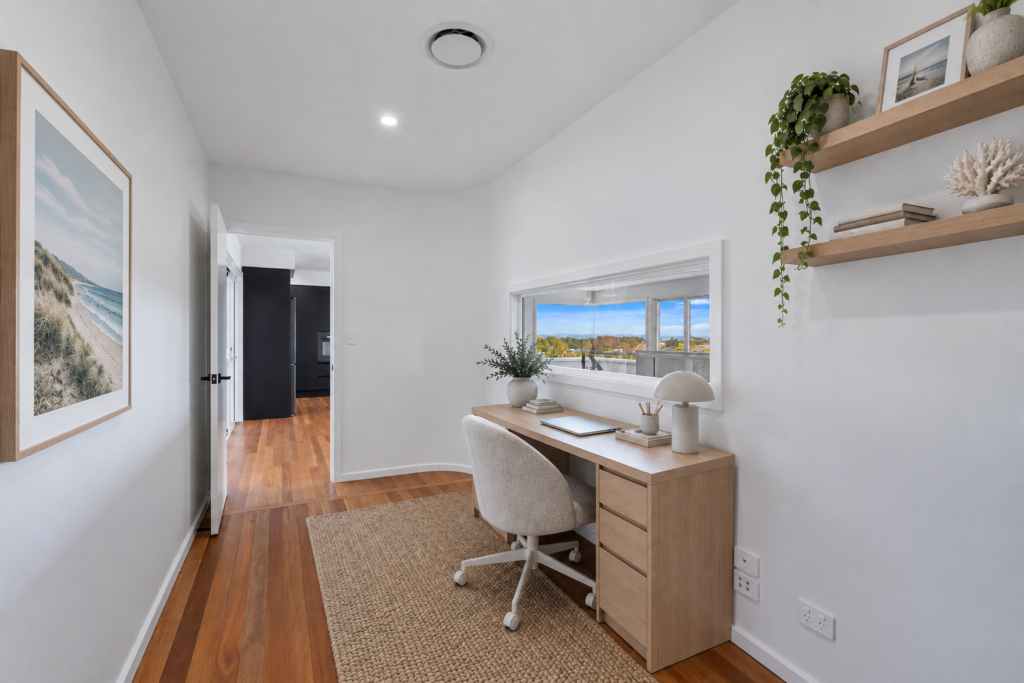
Work Out What Isn’t Working Before Deciding How to Fix It
It’s very easy to jump straight from “this house isn’t working for us anymore” to “we need an extension” or “we should knock it down and rebuild.”
But the solution isn’t always obvious at the beginning.
Before getting too far into plans, it’s worth looking at the problems you’re actually trying to solve.
Is it genuinely a lack of space, or is the existing space poorly used? Do you need another living area, or better separation between the ones you already have? Is storage the problem? Privacy? Natural light? Connection to the backyard?
Understanding the problem first gives you a much better starting point for exploring the options.
The New Year Brings Perspective, Not Urgency
There’s no need to make a big decision simply because a new year has started.
But returning to normal routines can give you a useful opportunity to look at your home differently.
Notice where mornings become difficult. Where clutter accumulates. Which rooms rarely get used and which ones are constantly crowded. Think about what has changed in your family since you first moved in and what might change again over the next few years.
Those everyday observations can tell you far more about what you need from a future home or renovation than starting with a list of rooms or scrolling through floor plans.
If Home Has Been on Your Mind Lately
You don’t need to have a clear plan before you start exploring what’s possible.
You might be considering a major renovation, wondering whether a knockdown rebuild would make more sense, thinking about building somewhere new or simply trying to understand your options.
The early stages are a good time to ask questions, understand the site and existing home, and work out what you’re actually trying to achieve before committing to a particular direction.
If you’re considering a custom home, major renovation or knockdown rebuild in Forster-Tuncurry or the surrounding area, get in touch with our team to talk through your ideas and where to start.